


Opposition Plans Mock Parliament Over SIR Row Ahead of November 1 Rally
Opposition parties are considering a mock Parliament to challenge the SIR voter list revision and Election Commission ahead of a November 1 rally.
 Rajeev
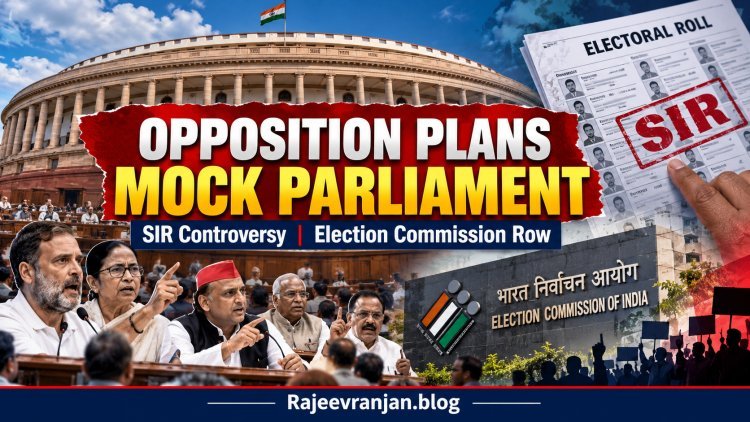

Opposition Plans Mock Parliament as Election Commission Row Intensifies Ahead of November 1 Rally
Opposition parties are considering a symbolic parliamentary session as political disagreements over electoral roll revisions and the Election Commission continue to dominate national debate.
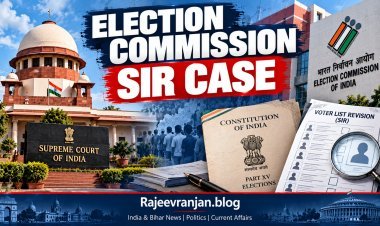
NEW DELHI, October 24, 2026: India's opposition parties are reportedly considering organising a symbolic parliamentary session next week as part of their continuing campaign against the Special Intensive Revision (SIR) of electoral rolls and Chief Election Commissioner Gyanesh Kumar.
The proposed event, described in media reports as a "mock Parliament," would precede an opposition rally planned for November 1.
The development comes amid growing political disagreements over voter registration, electoral transparency and the responsibilities of India's election administration.
Although the proposed session would not have the constitutional authority of Parliament, opposition leaders could use it to publicly present their objections and demands.
Why Are Opposition Parties Planning a Mock Parliament?
The reported proposal reflects opposition parties' efforts to keep the electoral roll revision controversy at the centre of national political discussion.
The Special Intensive Revision process involves a detailed examination and updating of electoral rolls.
Maintaining accurate voter lists is essential to electoral administration. However, the methods used to verify voter eligibility have become politically contentious.
Opposition parties have raised concerns that eligible voters could face difficulties retaining their names on electoral rolls.
These concerns must be distinguished from established findings of wrongful deletion. The existence of political allegations does not independently establish that electoral misconduct has occurred.
What Is the Special Intensive Revision?
Electoral roll revision is a process through which election authorities review voter registration records.
Its objectives can include identifying duplicate entries, updating information and ensuring that eligible citizens are correctly registered.
A central question in the present controversy is whether verification procedures can achieve these objectives without creating unnecessary obstacles for legitimate voters.
The debate therefore extends beyond party politics to the practical administration of voting rights.
Why Is Chief Election Commissioner Gyanesh Kumar Facing Criticism?
Opposition groups have criticised the handling of the electoral roll revision process and demanded the removal of Chief Election Commissioner Gyanesh Kumar.
The demand is a political position, not an indication that wrongdoing has been legally established.
The Chief Election Commissioner occupies an important constitutional office, and removal is governed by specific constitutional safeguards.
Consequently, political demands for resignation or removal should not be confused with the formal legal process required to remove a Chief Election Commissioner.
November 1 Rally: What Happens Next?
According to the latest report, opposition parties are discussing additional demands that could be presented during their campaign.
However, the full agenda of the proposed mock Parliament has not been publicly detailed in the reporting reviewed.
Important questions remain:
- Which opposition parties will formally participate?
- Will the proposed event produce a joint resolution?
- What specific changes to the electoral roll revision process will be demanded?
- How will election authorities respond to the concerns raised?
These details will determine the next stage of the political dispute.
Why This Matters for Indian Democracy
The controversy highlights the importance of public confidence in electoral administration.
For voters, the practical issue is whether their names are correctly included in electoral rolls and whether accessible procedures exist to resolve registration problems.
For political parties, the dispute raises questions about oversight, transparency and institutional accountability.
The debate is likely to remain part of national political discussion as the proposed November 1 rally approaches.
Conclusion
The opposition's reported plan to organise a mock Parliament illustrates how electoral administration has become a major subject of political confrontation.
Whether the initiative results in formal proposals, institutional responses or further demonstrations remains to be seen.
For citizens, accurate electoral rolls, transparent procedures and accessible voter services remain central concerns.