


The 10-Day Truce: Trump’s Lebanon Gamble, the Hormuz Blockade, and the Hidden Violations Threatening Global Peace
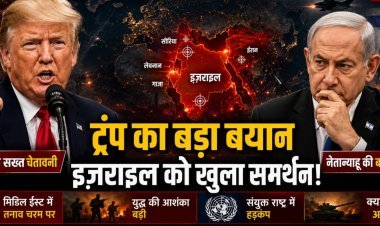
As the 10-day Israel-Lebanon ceasefire begins, the world watches the Strait of Hormuz and the fallout of Operation Eternal Darkness. Is this peace or a tactical pause before a larger war?
 Rajeev

The 10-Day Truce: Trump’s Lebanon Gamble and the High-Stakes Battle for the Strait of Hormuz
Global Strategy Desk (April 17, 2026): At midnight local time, a fragile silence descended upon the border between Israel and Lebanon.
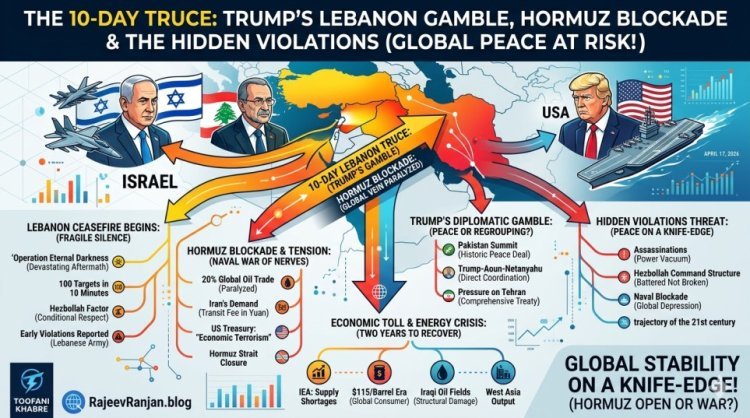
However, beneath the surface of this diplomatic breakthrough, the region remains a tinderbox. While the guns have largely fallen silent in Beirut, the strategic "war of nerves" in the Strait of Hormuz and the aftermath of Israel’s devastating "Operation Eternal Darkness" suggest that the road to permanent peace is paved with landmines.
1. The Lebanon Truce: A Tactical Pause?
The 10-day ceasefire is intended to halt the high-intensity bombardment that has plagued Lebanon since early April.
-
The Ground Reality: Israeli troops remain stationed in southern Lebanon, maintaining what they term a "security zone."
-
The Hezbollah Factor: While not a formal signatory, Hezbollah has signaled a conditional respect for the truce, provided Israeli "aggression" ceases.
However, the Lebanese Army has already reported early violations at the border. -
Trump’s Objective: The White House is using this pause to decouple the Lebanon conflict from the wider U.S.-Iran war, hoping to pressure Tehran into a comprehensive peace treaty.
2. The Hormuz Standoff: Reopening the Global Vein
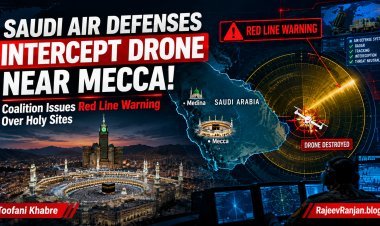
The real battle for global stability is being fought in the waters of the Persian Gulf. Iran’s closure of the Strait of Hormuz has paralyzed 20% of global oil trade, sending gas prices to historic highs.
-
The Pakistan Summit: Reports indicate that President Trump may fly to Pakistan to sign a historic peace deal if Iran agrees to turn over its enriched uranium and permanently reopen the Strait.
-
The "Hormuz Transit Fee": In a bold move, Tehran has been demanding a "toll" in Chinese Yuan, a move the U.S. Treasury has labeled "economic terrorism."
3. The Economic Toll: Two Years to Recover
The International Energy Agency (IEA) released a chilling report today. Even if the war ends tomorrow, it will take at least two years for energy output in West Asia to return to pre-war levels.
-
Iraq vs. Saudi Arabia: While Saudi infrastructure remains resilient, Iraqi oil fields have suffered "deep structural damage" due to the intense aerial campaigns.
-
The Global Consumer: For citizens from New Delhi to New York, this means the $115/barrel era isn't ending anytime soon.
4. Operation Eternal Darkness: The Aftermath
Israel’s massive strike on April 8—where 100 targets were hit in just 10 minutes—has left Hezbollah’s command structure battered but not broken.
Conclusion: Diplomacy on a Knife-Edge
The next 10 days will determine the trajectory of the 21st century. If Trump can secure the Strait of Hormuz and stabilize the Lebanon border, he may achieve the "Deal of the Century." If not, the world faces a naval blockade that could trigger a global depression.